Can Blocking Fix Holes in Crochet? The Final Finish Audit
Quick Recognition
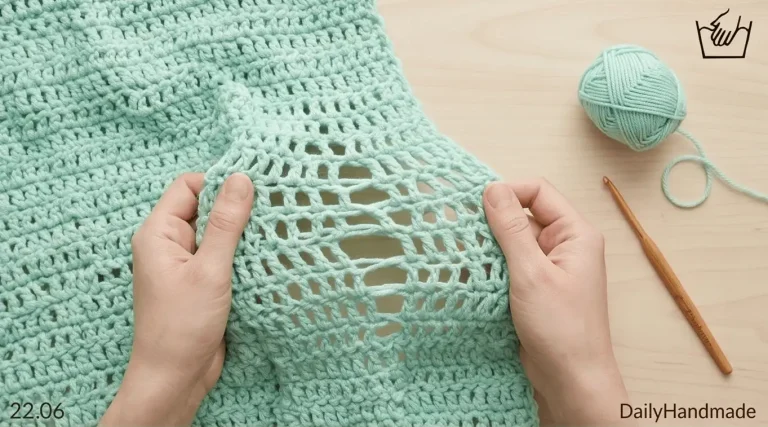
You’ve reached the end of your project. The ends are woven in, the shape is roughly right, but those pesky gaps we discussed in Why My Crochet Has Holes: Holes Between Stitches for Beginners are staring back at you. You’re tired, your fingers are sore, and the thought of “frogging” (ripping it all out) makes you want to hide your hooks in a drawer forever. You’ve heard of this magical process called “blocking” and you’re wondering if a little water and some pins can act as a digital “undo” button for your fabric. At Dailyhandmade, we believe in being honest: blocking is powerful, but it isn’t sorcery. Knowing exactly can blocking fix holes in crochet will save you from false hope—and help you rescue what can be saved.
Direct Answer
Can blocking fix holes in crochet? The answer is yes, if the holes are caused by uneven tension, but no, if the holes are caused by structural errors like missing stitches or a hook that is far too large. Blocking works by saturating the yarn fibers, allowing them to relax and shift. This “evens out” the tension, often causing the yarn to bloom and fill in small gaps between stitches. However, in the framework, blocking cannot create yarn where none exists; it can only redistribute the yarn you’ve already used.
The “Rescue” Audit: What Blocking Can vs. Cannot Fix
Before you break out the spray bottle, use this diagnostic table to see if your project is a candidate for a “Blocking Rescue.”
| The Issue | Can Blocking Fix It? | The Dailyhandmade Verdict |
| Tension Gaps | Yes | Fibers relax and “bloom” to fill small spaces. |
| Missing Stitches | No | You can’t bridge a literal hole with water. |
| Hook Too Big | Partial | It helps, but the fabric will still feel “airy.” |
| Curled Edges | Yes | Pins force the fabric to stay flat and professional. |
| Stitch Inconsistency | Yes | It blends the “tight” and “loose” rows together. |
3 Final “Finish Test” Strategies
If you’ve determined that your can blocking fix holes in crochet answer is a “Yes,” follow these three Dailyhandmade strategy drills to maximize the fix:
1. The “Wet Block” for Maximum Bloom
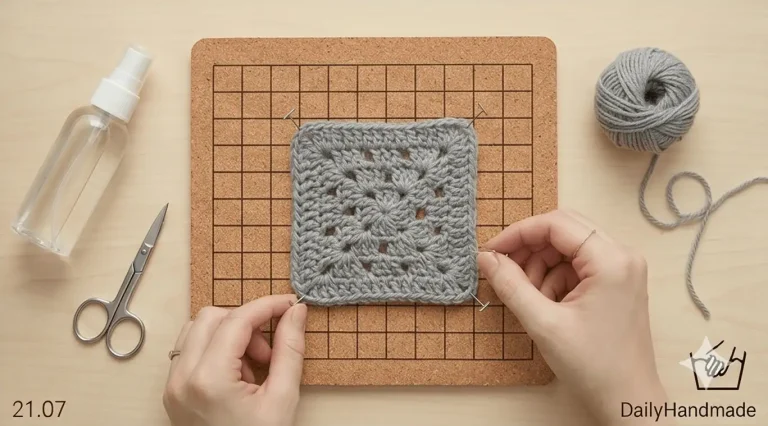
If your fabric is made of animal fibers (wool) or cotton, a full “Wet Block” is your best friend. Submerge the item in lukewarm water for 20 minutes. As the fibers absorb water, they expand. When you lay the item flat to dry, the expanded fibers will “crowd” into the gaps, making the holes significantly less visible than when the yarn was dry and “stressed.”
2. The “Micro-Massage” Technique
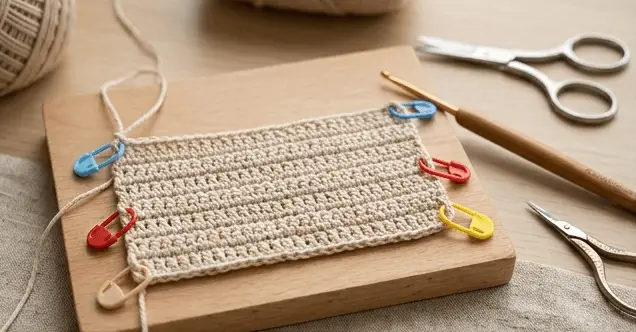
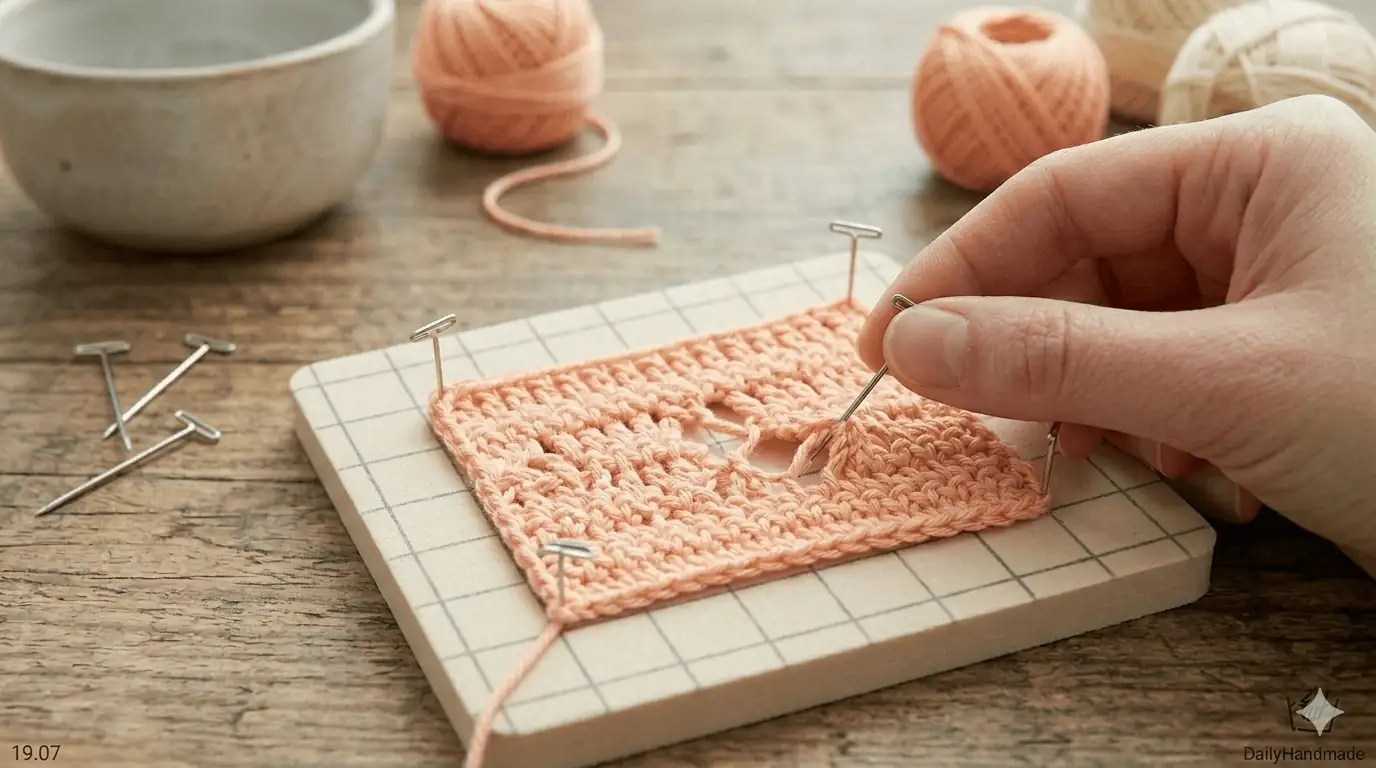
While the item is damp and pinned to your blocking board, use your fingertips to gently “nudge” the stitches toward the holes. In Common Crochet Mistakes (and Fixes), we call this Redistributing the Slack. You are physically moving the excess yarn from a “loose” area into a “gappy” area. Once it dries, the yarn will “remember” this new, even position.
3. Steam Blocking for Acrylics
If you are using 100% acrylic yarn (which is plastic-based), water won’t help much. You need Steam. Use a garment steamer or the steam setting on your iron (hovering 1 inch above the fabric—never touch the yarn!). The heat “kills” or relaxes the plastic fibers, causing them to go limp and fill the gaps.
Dailyhandmade Expert Rescue Signal
The “Point of No Return”: If you can fit your entire thumb through a hole in a project meant to be solid (like a hat or a toy), blocking will not save you. In Common Crochet Mistakes (and Fixes), we advocate for the “Empathy with Candor” rule: sometimes, the best way to fix a project is to learn from it and start over. If the gaps are small enough to be “ghost holes,” block it. If they are “craters,” it’s time to frog.
Series Completion
You have now finished Why My Crochet Fabric Has Holes. From diagnosing the symptoms in Why My Crochet Has Holes: Holes Between Stitches for Beginners to mastering the “Golden Loop” in Make Crochet Stitches Tighter Without Changing Hook: Pro Hacks and passing the final “Finish Test” here, you now possess the technical skills to create a dense, professional fabric every time.
Return Path
Mastering the “Finish Test” is the final step in Common Crochet Mistakes (and Fixes).
Review the journey:
- Why my crochet has holes: General diagnostic
- Crochet hook too big causes holes
- Make crochet stitches tighter without changing hook
- Double crochet big gaps: The stitch fix
- Master Guide: Common Crochet Mistakes (and Fixes)
Series Complete! Your stitches are now tighter, your fabric is more solid, and your confidence is higher.
I have a final relevant follow-up question for you: Have you ever tried blocking a project before, or is the idea of “washing” your hard work a bit intimidating for you?