The Best Yarn Weight for Learning Crochet (Size Matters)
Quick Recognition
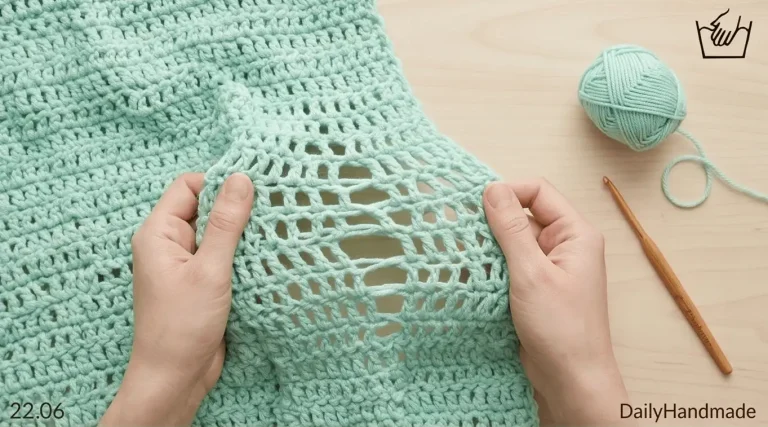
You’re standing in the craft aisle, and you’re surrounded by thousands of skeins. Some are as thin as dental floss; others look like giant, unspun sausages. You pick up a beautiful, delicate lace yarn because it looks elegant, but ten minutes into your first project, you’re squinting at a tangled mess of “nothingness.” If you can’t tell where one stitch ends and the next begins, you’ve fallen into the Weight Trap. Choosing the best yarn weight for learning crochet is the difference between a relaxing Saturday and a frustrated afternoon of “frogging” (ripping out) your work.
Direct Answer
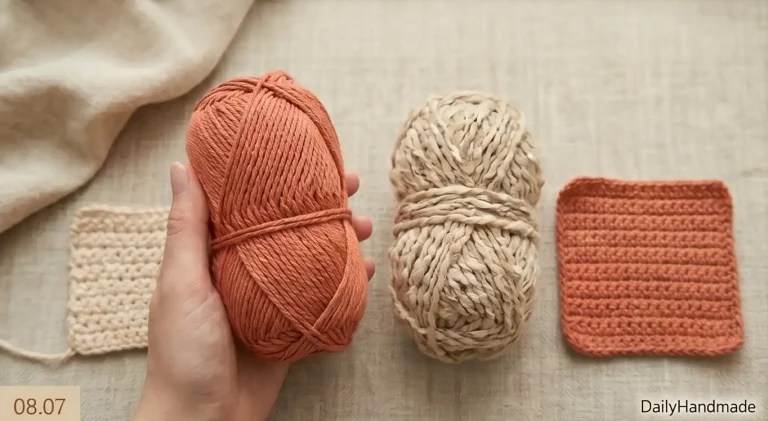
The absolute best yarn weight for learning crochet is Category #4 (Worsted Weight). In the hierarchy of Best Yarn for Crochet Projects, Worsted Weight is the “Goldilocks” of yarn—it’s not so thin that you lose sight of your stitches, and not so thick that it strains your wrist. Paired with a 5.0mm or 5.5mm hook, this weight provides the perfect balance of visibility and manageability for a beginner’s hands.
Why Weight Matters (The Visual Literacy Logic)
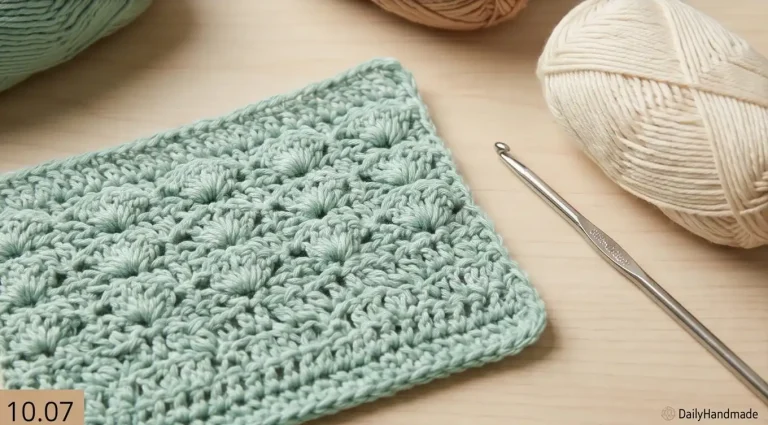
In our master guide Best Yarn For Crochet Beginners (What to Use and Avoid), we emphasize that your first 10 hours of crochet are about Visual Literacy—learning to “read” your stitches. If the yarn is too thin, the anatomy of the stitch (the “V” on top and the “post” in the middle) is too small for a beginner’s eye to decode.
- The Fatigue Factor: Very thin yarn (#1 Lace or #2 Fine) requires high-precision finger movements that lead to early hand cramping.
- The “Jumbo” Delusion: Many beginners think #7 Jumbo yarn is easier because it’s big. However, jumbo yarn is often heavy and high-friction, making the physical act of pulling the hook through the loops exhausting.
- The Sweet Spot: Worsted weight (#4) is thick enough to show clear stitch definition but light enough to allow for a rhythmic “flow.”
The Beginner’s Yarn Weight Comparison Table
| CYC Category | Common Name | Ease of Use | Why? |
| #1 – #2 | Fingering / Sport | Hard | Too thin; stitches are hard to see and easy to drop. |
| #3 | DK (Double Knit) | Medium | Good, but can feel a bit “fiddly” for absolute beginners. |
| #4 | Worsted / Aran | PERFECT | The Gold Standard for learning. High visibility. |
| #5 – #6 | Bulky / Chunky | Easy | Fast results, but can hide stitch anatomy if too “fluffy.” |
| #7 | Jumbo | Hard | Physically heavy; causes hand fatigue very quickly. |
How to Choose Your Tool (The Selection Protocol)
To ensure you are starting your “Best Yarn for Crochet Projects” journey correctly, follow this simple check:
- Check the Label: Look for the small “yarn ball” icon with a number inside. If it’s a 4, you’re in the safe zone.
- The “Ply” Audit (Expert Signal): Choose a yarn that is “plied” (multiple strands twisted together). Avoid “roving” yarn (one thick, untwisted strand) as a beginner, as it can be easily pulled apart and lacks definition.
- The Hook Match: Ensure your hook size matches the recommendation on the #4 yarn label (usually a 5mm to 6mm hook).(Tip: Check Wrong Size Crochet Hook Symptoms: Why Your Fabric Looks Off if your stitches look “messy” even with the right weight).
- Consistency Check: If you switch to a #3 weight yarn mid-project, your work will suddenly shrink. Consistency is key to a professional-looking project.
What To Expect Next
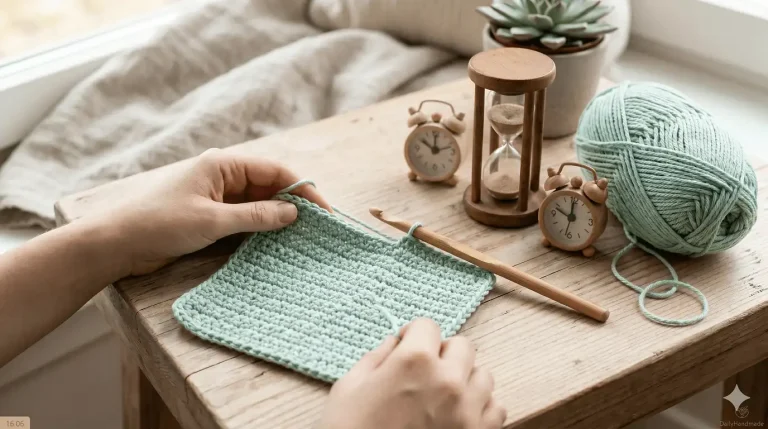
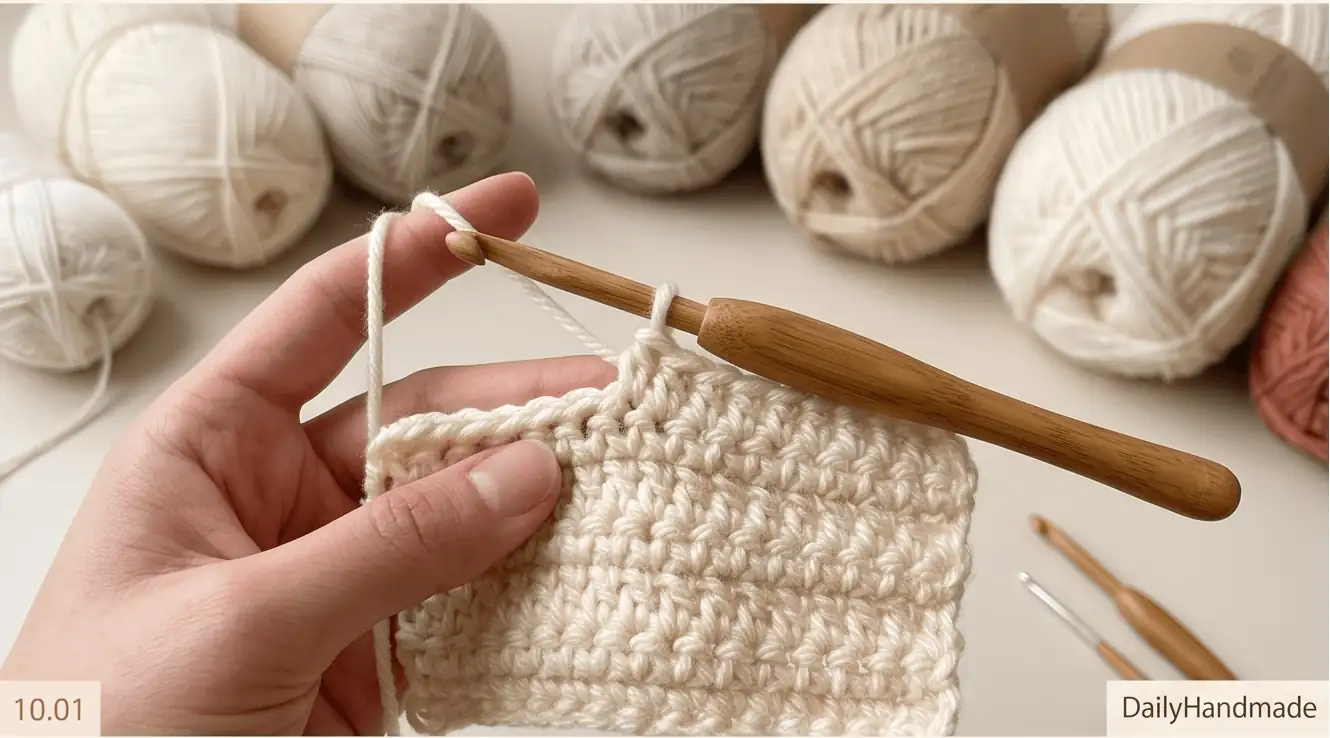
When you use a #4 Worsted weight yarn, the “V” shapes of your stitches will look like clear, distinct landmarks. You’ll be able to count your stitches without a magnifying glass. You will know you’ve mastered the best yarn weight for learning crochet when you can identify the “top loops” of your row from a foot away.
Return Path
Selecting the right weight is just the first step in Best Yarn For Crochet Beginners (What to Use and Avoid). Once you have the right thickness, you need to ensure the material itself isn’t working against you.