Why Does My Work Curl? Crochet Curling with Cotton Yarn
Quick Recognition
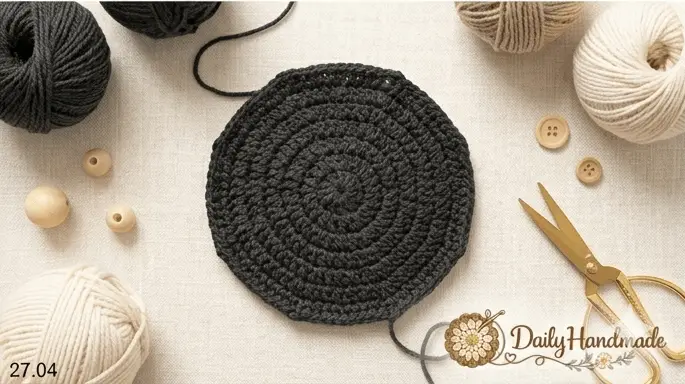
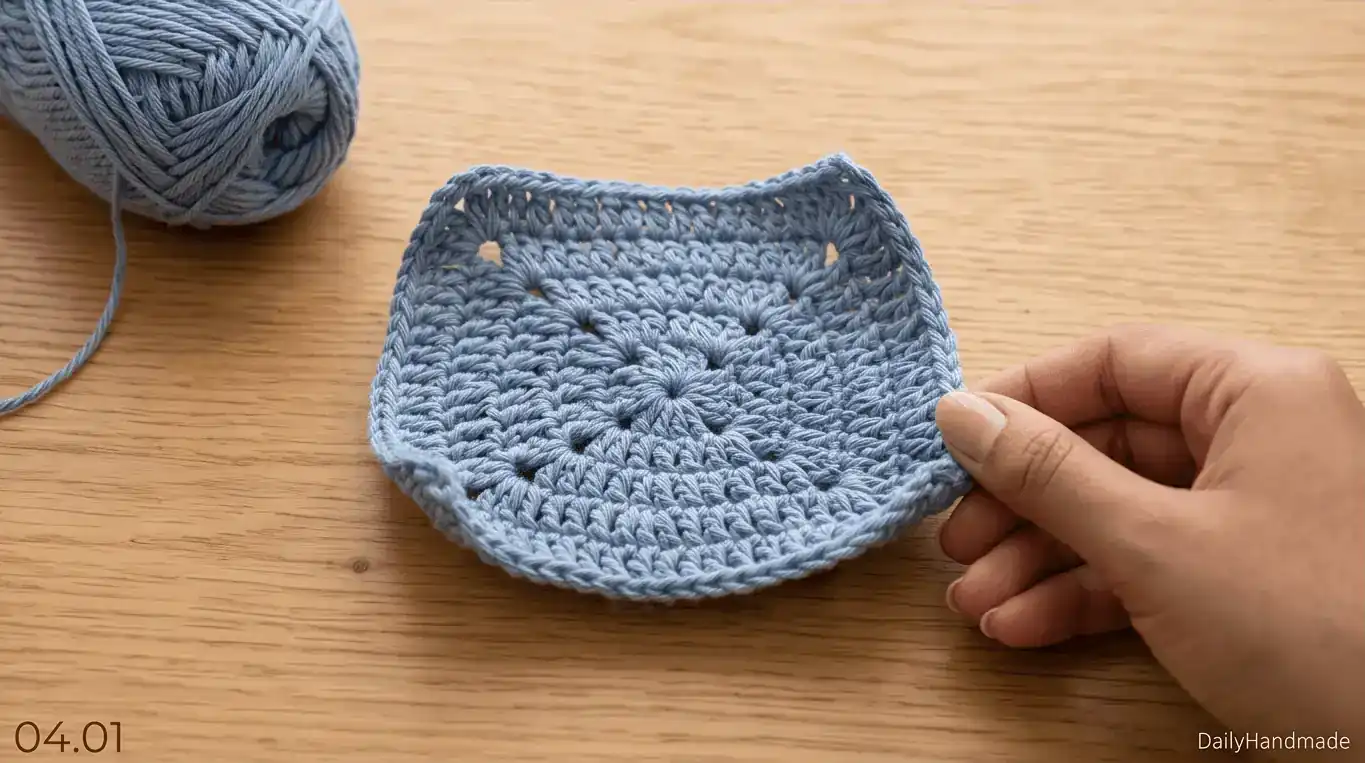
You are working on a 100% cotton project—perhaps a dishcloth, coaster, or a summer bag—but the corners and edges keep rolling inward with stubborn rigidity. Even when you try to smooth the fabric with your hands, it immediately springs back into a curled shape. If your fabric feels stiff and refuses to lie flat despite your efforts, you are experiencing crochet curling with cotton yarn. This is not necessarily a technical error on your part, but a physical reaction to the properties of natural plant fibers.
Direct Answer
Crochet curling with cotton yarn is primarily caused by the fiber’s total lack of elasticity. Unlike wool or acrylic, which have a natural “crimp” that allows them to bounce back and absorb tension, cotton is a rigid cellulose fiber. When you apply even a small amount of tension during the stitching process, the cotton has no internal “stretch” to absorb that force, causing the entire fabric to roll toward the back of the stitches to relieve the structural pressure.
Why This Happens (Operational Logic)
Mechanically, cotton is a dense and heavy fiber. Because it lacks elasticity, it is extremely “unforgiving” of tight tension. Every time you wrap the yarn around your hook, you are applying a twisting force. In elastic fibers, this force is absorbed within the yarn itself. In cotton, the fiber remains rigid, so the force is transferred to the fabric’s overall structure. Combined with the naturally high friction of cotton, which causes the yarn to “drag” on the hook, the result is a compressed, curled edge that lacks drape.
How to Fix It (The Cotton Calibration)
To counteract the rigidity of cotton and achieve a perfectly flat, professional finish, implement these expert-level adjustments:
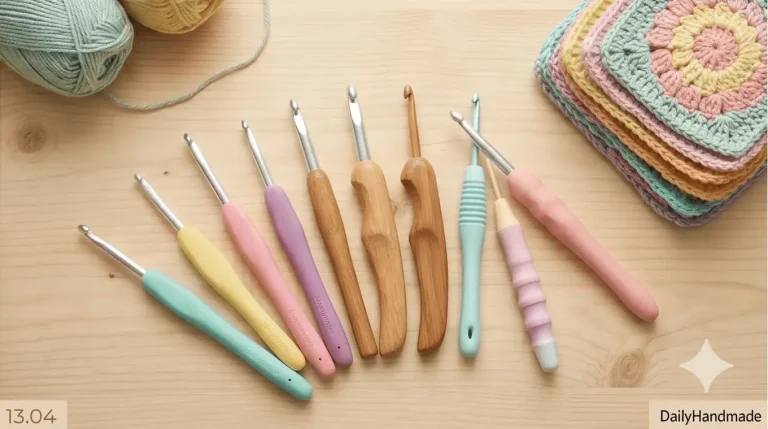
- Switch to a Polished Aluminum Hook: Cotton has high surface friction. Use a smooth aluminum hook, such as a Clover Amour or Susan Bates, to allow the yarn to glide effortlessly. This prevents the accidental over-tightening caused by the yarn “sticking” to the hook.
- Apply the “Upsize Rule” (Expert Signal): This is the most effective fix for cotton. Use a hook that is 0.5mm to 1.0mm larger than what the yarn label recommends. For example, if the label suggests a 5.0mm hook, use a 5.5mm or 6.0mm hook. The extra space between stitches allows the rigid fibers to relax and lie flat.
- Practice Conscious Tension Release: Intentionally loosen your grip on the feeding yarn. Cotton requires a much lighter “feed” than synthetic yarns to prevent curling. See: Tight tension causes crochet curling for deep-dive tension fixes.
- Utilize Steam Blocking: Cotton is highly responsive to heat and moisture. Once finished, use a garment steamer or an iron (hovering, never touching the fabric) to relax the cellulose bonds. This will “set” the fabric in a flat position permanently.
- Consider Cotton Blends: If curling persists, try a 50/50 Cotton-Acrylic blend. The acrylic component adds the elasticity that pure cotton lacks.
What To Expect Next
Once you upsize your hook or apply steam blocking, you will notice an immediate improvement in the “drape” and flexibility of your cotton fabric. The corners will stop springing back into a roll. You will know your technique is correct when the project remains flat on a table without needing to be held down. Remember, cotton is a durable and beautiful fiber, but it requires these specific mechanical adjustments to stay flat.
Return Path
Understanding the unique behavior of cotton is a vital step in material mastery. To compare this to how synthetic fibers behave, continue here: Does Acrylic Yarn Curl in Crochet?
If you are still troubleshooting general curling issues, explore these diagnostic guides: