What Is a Good First Crochet Project? (The Frustration-Free Choice)
Quick Recognition
After mastering the foundation chain and your first few rows of single crochet, you hit a common beginner wall: “Project Paralysis.” You want to make something “real” and beautiful, like a sweater or a plush amigurumi, but your stitches still feel a bit shaky. If you choose a project that is too complex too early, you risk “learning fatigue”—where the difficulty of the pattern outweighs the joy of the craft. Most beginners who quit do so not because they lack talent, but because they chose a first project that required precision they hadn’t built yet.
Direct Answer
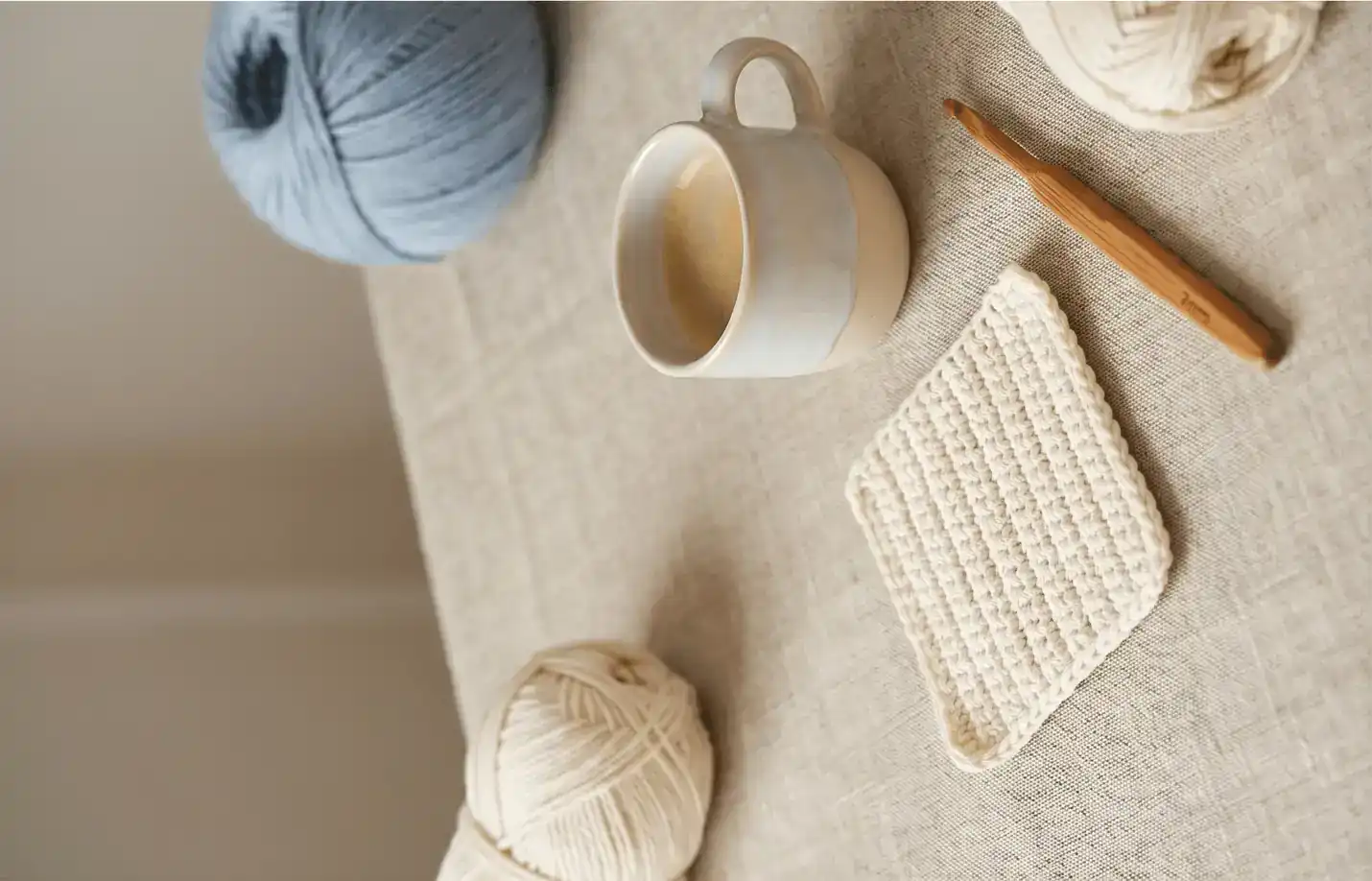
A good first crochet project is a small, flat rectangle that uses only one basic stitch and requires zero shaping (no increasing or decreasing). The absolute best choices are a cotton dishcloth, a simple scarf, or a coaster. These projects provide a “stable track” for your hands to practice rhythm and tension without the stress of following a complex pattern, allowing you to produce a functional item while your muscle memory is still developing.
Why This Happens (Operational Logic)
At the start of your journey, your primary goal is not “product” but “process stabilization.” Projects like hats or stuffed animals require “shaping,” which adds another layer of cognitive load to your brain while it’s still trying to manage yarn tension. By choosing a flat rectangle, you remove the math and the mystery of “where does the hook go next,” allowing you to focus 100% on making every stitch look identical. This builds the confidence necessary to tackle three-dimensional projects later.
How to Fix It (The Strategic Selection)
To ensure your first project is a success rather than a source of stress, follow these operational standards:
- Prioritize the “Small Win”: Start with a dishcloth or coaster. These are fast to finish (30–60 minutes), providing an immediate dopamine hit of success.
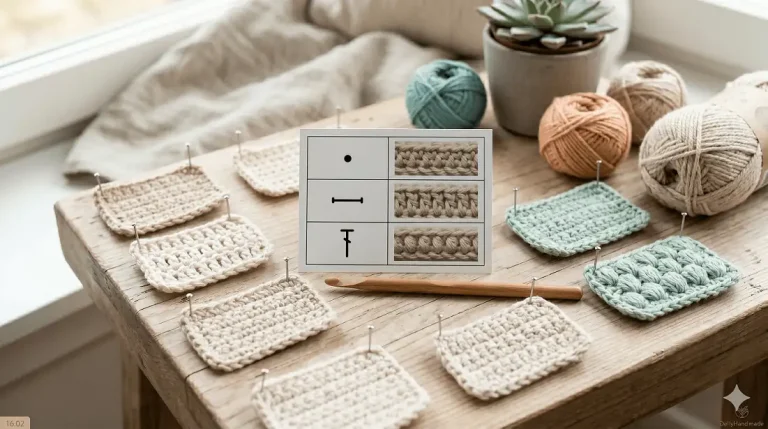
- Stick to One Stitch: Use only the single crochet or half double crochet for the entire project. If you are unsure which to pick, consult: Best First Crochet Stitch for Beginners.
- Use “High-Visibility” Tools: Use light-colored yarn and a 5.0mm hook to ensure you can see your mistakes before they become permanent. See: Best Yarn for Learning and Best Hook Size.
- Implement “Audit Rows”: Every 2–3 rows, stop and count your stitches. If you started with 20, you must have 20. This prevents your “rectangle” from accidentally becoming a “triangle.”
What To Expect Next
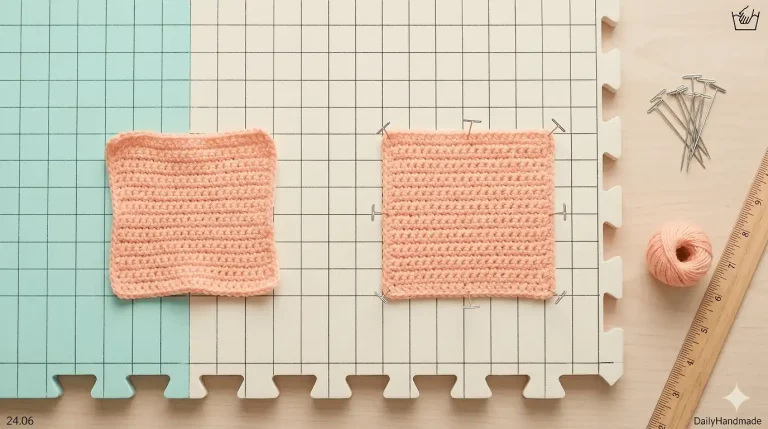
Understand that your first project will not be perfect. It may have slightly wobbly edges or sections where the tension is tighter than others. This is a normal physical record of your learning progress. You will know you are ready to move past the “rectangle phase” when you can finish a row without having to look at your reference notes and your stitch count remains consistent for three projects in a row.
Return Path
Choosing a simple first project is the bridge between “learning stitches” and “making things.” To see how these projects fit into the full sequence of your development, return to the roadmap here: Beginner crochet learning order
If your first project is experiencing specific technical issues, troubleshoot them here: