
Is Your Crochet Hook Splitting Yarn? (The Messy Stitch Culprit)
Quick Recognition
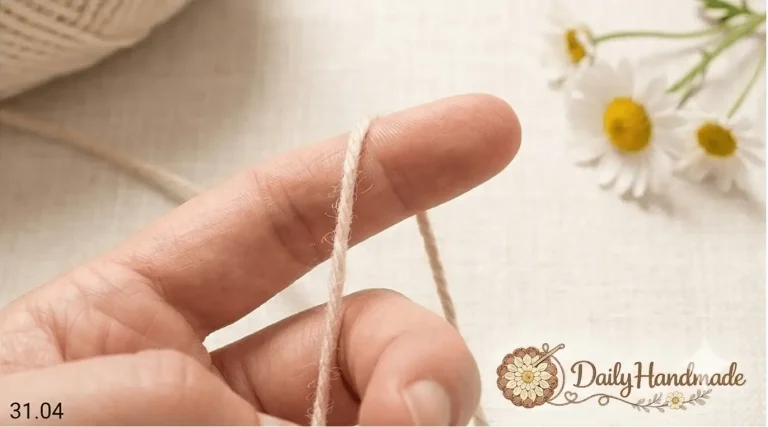
You’re in the middle of a row, you yarn over, and as you pull the hook through the loop, you feel a tiny “snag.” You look down and see that your hook didn’t grab the whole strand—it pierced right through the middle, leaving two plies behind. Now there’s a tiny loop of loose fiber sticking out of your stitch like a cat’s whisker. If your finished fabric looks “hairy” or “frayed” even though you’re using brand new yarn, you are dealing with a Splitting Crisis. This is the ultimate “Messy Stitch Culprit” in Why Crochet Looks Messy (Common Causes & Fixes).
Direct Answer
A crochet hook splitting yarn occurs when the hook’s head (the “point”) is too sharp for the yarn’s twist, or when the “throat” of the hook is too narrow to catch all the plies of a loosely twisted yarn. In Crochet Stitches Explained, we learn that a clean stitch requires a unified strand. When you split the yarn, you weaken the structural integrity of the stitch and create visual “noise” that makes even the most expensive project look amateur and unkempt.
Why This Happens (The Mechanical Logic)
Understanding why does my crochet look messy often comes down to the physics of your tools. There are two primary reasons your hook is acting like a needle instead of a guide:
- The Hook Head Shape (Pointy vs. Blunt): Some hooks (like “Inline” styles) have a sharper, pointier head. While great for tight stitches, they are “splitting machines” when paired with loosely plied yarn.
- The Twist of the Yarn (Z-Twist vs. S-Twist): Most yarn is plied with an “S-twist.” If your natural hook movement untwists the yarn as you work, the plies will separate, making it nearly impossible for the hook to grab them all in one go.
- Hook Size Mismatch: If your hook is too small for the yarn weight, the “mouth” of the hook isn’t wide enough to seat the entire strand, causing the edge of the hook to slice through the fibers.
How to Fix It (The “Clean Catch” Protocol)
To stop the splitting and reclaim your stitch definition, implement these Why Crochet Looks Messy (Common Causes & Fixes) expert adjustments:
- Switch to a Tapered Hook (Expert Signal): If you are using an inline hook (like Susan Bates) and experiencing splitting, try a Tapered Hook (như Clover Amour hoặc Boye). Tapered hooks have a rounder, blunter head that is much more likely to “push” the yarn aside rather than pierce it.
- The “Scoop” Movement: Instead of “stabbing” the stitch, try a more lateral “scooping” motion. By keeping the hook parallel to the stitch you are entering, you reduce the surface area of the point that can catch on the plies.
- Check Your Yarn Quality: If you are using “Roving” yarn (yarn that isn’t twisted at all) or very cheap, loosely plied acrylic, the splitting isn’t your fault—it’s the fiber. For learning Pillar #03 fundamentals, switch to a tightly plied “plied-up” wool or cotton.
- The “Up-Size” Fix: Sometimes, simply increasing your hook size by 0.5mm provides a larger “mouth” for the yarn to sit in, preventing the hook head from snagging the outer plies. See: Wrong Size Crochet Hook Symptoms: Why Your Fabric Looks Off for hook size symptoms.
- Watch the “Yarn Over”: Ensure you are yarning over in the correct direction. Yarning “under” (hook over yarn) can sometimes add extra twist or tension that causes the plies to flare out.
What To Expect Next
Once you match your hook head to your yarn twist, the “snagging” feeling will disappear. Your crocheting will become faster and more rhythmic. You will know you’ve conquered the crochet hook splitting yarn issue when you look at your fabric and see smooth, “cable-like” stitches without a single loose fiber in sight.
Return Path
Stopping the split is the first step in cleaning up a messy project. To see how this fits into the larger picture of Why Crochet Looks Messy, or to troubleshoot other “Visual Noise” issues, return to our master guide: Why Crochet Looks Messy
If your yarn isn’t splitting but your fabric still feels “wrong,” explore these related diagnostics: